Commercial Door Closers in Detroit, MI
Precision hydraulic door closers, concealed overhead closers (COC), heavy-duty parallel arms, and backcheck calibration to stop door slamming and ensure 100% ADA and fire-code compliance across Metro Detroit.
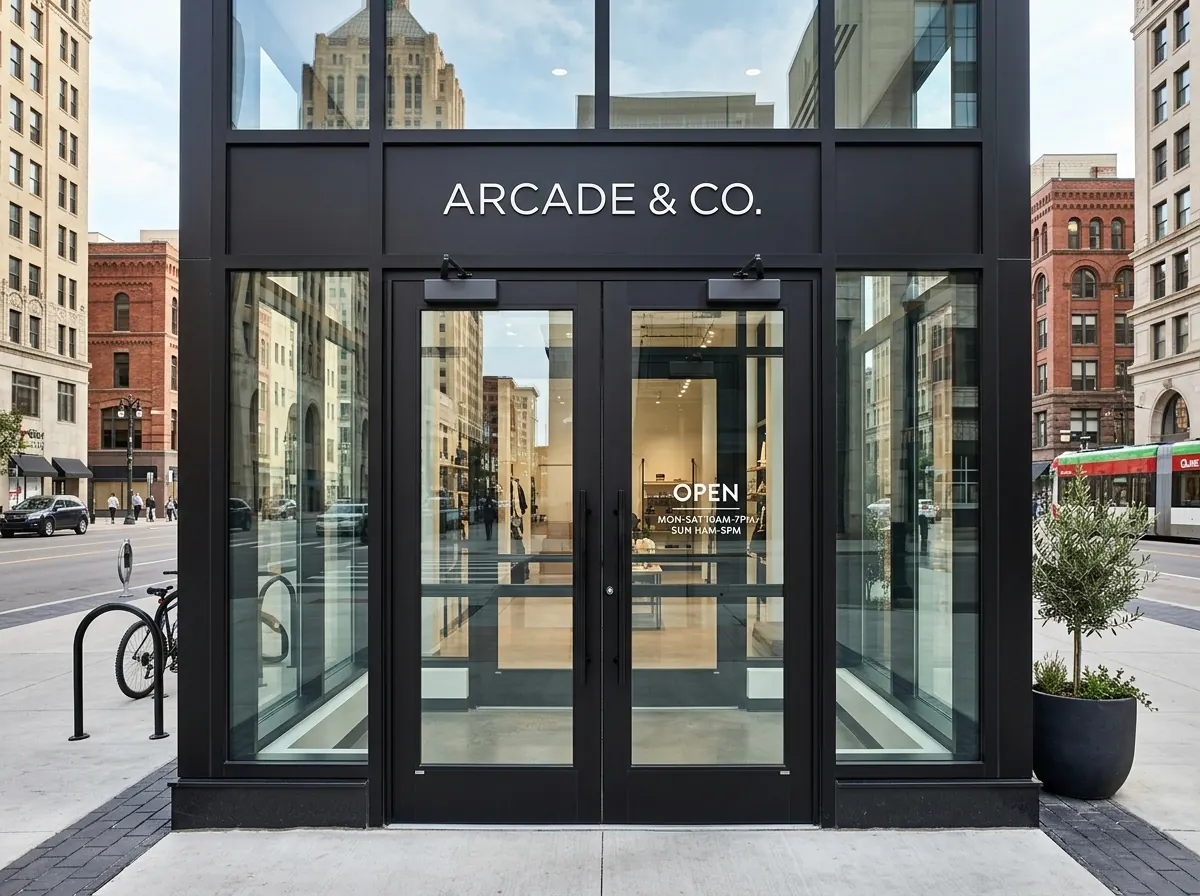
Eliminate Slamming, Air Drafts & Fire Code Citations
Why Commercial Closers Fail in Metro Detroit Facilities
Winter wind gusts along the Detroit River, HVAC negative building pressure, and employee door kick-open abuse break low-cost commercial closers quickly:
Hydraulic Seal Rupture (Oil Leak)
Once oil drips from the pinion gear, the closer loses hydraulic compression. The door slams dangerously, shattering storefront glass and posing severe finger-amputation hazards.
Wind Backcheck Failure
Without hydraulic backcheck damping, high winds whip exterior doors open past 110 degrees, snapping closer arms, tearing fasteners from frames, and warping hinges.
ADA Opening Force Compliance
We calibrate closer spring tension to ensure interior commercial doors require no more than 5.0 lbs of opening force, preventing costly ADA accessibility lawsuits.
Positive Latch Fire Compliance
NFPA 80 requires fire doors to self-close and latch completely from any open angle. We adjust closing speeds to overcome HVAC air resistance and latch securely.
Mobile service vans stocked with cast iron Grade 1 surface closers and concealed overhead units ready for same-day dispatch across Metro Detroit.
Commercial door closers work in tandem with surrounding door hardware. We install heavy-duty closers on fire-rated hollow metal doors, calibrate closers paired with panic exit crash bars, or retrofit concealed overhead units on commercial storefront doors.
Call Dispatch: (313) 425-8258How Much Does Commercial Door Closer Replacement Cost in Detroit?
| Service | Labor scope | Typical range | Turnaround |
|---|---|---|---|
| Hydraulic closer replacement | Grade 1 cast iron body, arm adjustment, ADA sweep | $295 – $520 | In-stock same-day |
| Standard commercial diagnostic | On-site inspection, clearance audit, written bid | $185 – $245 | Same-day / next-day |
| Continuous geared hinge retrofit | Full-height geared hinge, threshold adjustment | $425 – $680 | Same-day (1.5 – 2 hrs) |
| Panic exit device install | UL 305 rim device, stainless latch, strike prep | $480 – $950 | Same-day / 24 hrs |
Ranges are typical Metro Detroit figures for standard openings. Every job gets a written, itemized quote before work begins, and commercial accounts can be invoiced Net-30. For a firm number, call dispatch at (313) 425-8258 or text photos of the opening.
Surface-Mounted vs. Concealed Overhead vs. Floor Closer
Closers do the same job from three different positions. Where the closer body sits decides how visible it is and how easy it is to service or replace.
| Closer type | Where it mounts | Typical use | Replacement |
|---|---|---|---|
| Surface-mounted | On the face of the door or frame | Hollow metal exits, back-of-house and most retrofit work | Simplest; usually under an hour with stock parts |
| Concealed overhead | Inside the frame header above the door | Aluminum storefront entrances where a clean look matters | Moderate; header cover and door come off to reach it |
| Floor closer | In a cement case set in the floor under the pivot | Heavy glass and monumental entrance doors | Most involved; the door is lifted off and the floor case opened |
How Fast Should a Commercial Door Close Under the ADA?
The ADA Standards set two limits that a closer has to meet. First, closing speed: from 90 degrees open, the door must take at least 5 seconds to reach 12 degrees from the latch. Second, opening force: an interior hinged door may require no more than 5 pounds of force to push or pull open. Fire doors are held to the minimum opening force allowed by the fire authority instead, because they must latch reliably.
Both are set at the closer's adjustment valves and spring, and both drift over time. We time the sweep and measure the opening force with a gauge at the end of every closer job so the opening is documented as compliant.
Can a Leaking Door Closer Be Repaired?
No. Oil on the closer body, the door, or the floor means an internal seal has failed and the closer has lost the fluid that controls its speed. Modern closers are sealed units that are not designed to be refilled or rebuilt in the field, and a closer that has lost fluid will slam. That is a hazard for fingers and glass, and on a fire door it is a code problem. The fix is a new closer, sized for the door's width, weight, and wind exposure.
Commercial Door Closer Installation Across Metro Detroit
Same-day mobile closer replacements, concealed overhead installs, and ADA opening force adjustments across Detroit commercial districts:
Downtown & Midtown Detroit High-Rises
Financial district towers, riverfront commercial buildings, and retail vestibules subject to heavy HVAC stack draft and winter gusts. Cast iron closers calibrated for positive latch.
Dispatch Downtown: (313) 425-8258Troy & Big Beaver Corporate Corridors
Multi-story corporate headquarters and medical centers. Concealed overhead transom closers for high-end aluminum glass entries and ADA barrier-free certifications.
Dispatch Troy: (313) 425-8258Southfield & Northwestern Office Hubs
Healthcare clinics, insurance complexes, and executive centers. ADA 5-lb interior door spring tension adjustments and delayed action closer installations.
Dispatch Southfield: (313) 425-8258Warren & Sterling Heights Manufacturing
Automotive supplier facilities and industrial plant interior fire barriers. Heavy-duty Grade 1 closers with severe-duty parallel arms to handle forklift air wash.
Dispatch Macomb: (313) 425-8258Livonia Industrial Belt & I-96
Distribution centers and warehouse loading bays along Schoolcraft. Cushion stop arms and spring-buffered dead-stops to prevent wall damage from wind-blown doors.
Dispatch Livonia: (313) 425-8258Dearborn & Downriver Retail Plazas
High-traffic retail entrances and fast-food vestibules along Michigan Ave and Telegraph. Stop slamming doors instantly with same-day cylinder swaps.
Dispatch Dearborn: (313) 425-8258Commercial Door Closer FAQ
No. When oil leaks from the pinion shaft or adjustment valves of a commercial closer, internal high-pressure seals have failed. Refilling fluid is impossible under field conditions. The closer body must be replaced with a new ANSI/BHMA Grade 1 unit to restore controlled hydraulic damping and fire code safety.
Under ADA Title III Section 404.2.9, interior non-fire-rated commercial doors must require no more than 5.0 pounds of opening force. Fire-rated doors must have the minimum opening force allowable by local fire authority (typically between 8.5 and 15 lbs) to ensure positive self-latching.